
9.0Exceptional
Grindelwald
The Jungfrau Ski Region — 211km of piste beneath the Eiger's north face, two car-free Alpine villages, and a UNESCO World Heritage backdrop.
Best for
Strengths
Lower-scoring areas
Morzine is one of the few French ski resorts that functions as a real town rather than a purpose-built resort. The houses are stone and timber, the church dates from the 15th century, and the market square has operated for as long as anyone can remember. Farming and craftsmanship preceded skiing here, and traces of that original character survive in the architecture and in a local population that has not been entirely displaced by tourism. The English-speaking community is significant — Morzine has become one of the most popular French resorts for British skiers and residents, and this shapes the après-ski culture into something more pub-and-pint than wine-and-fondue. Neither is inauthentic; they coexist with reasonable ease.
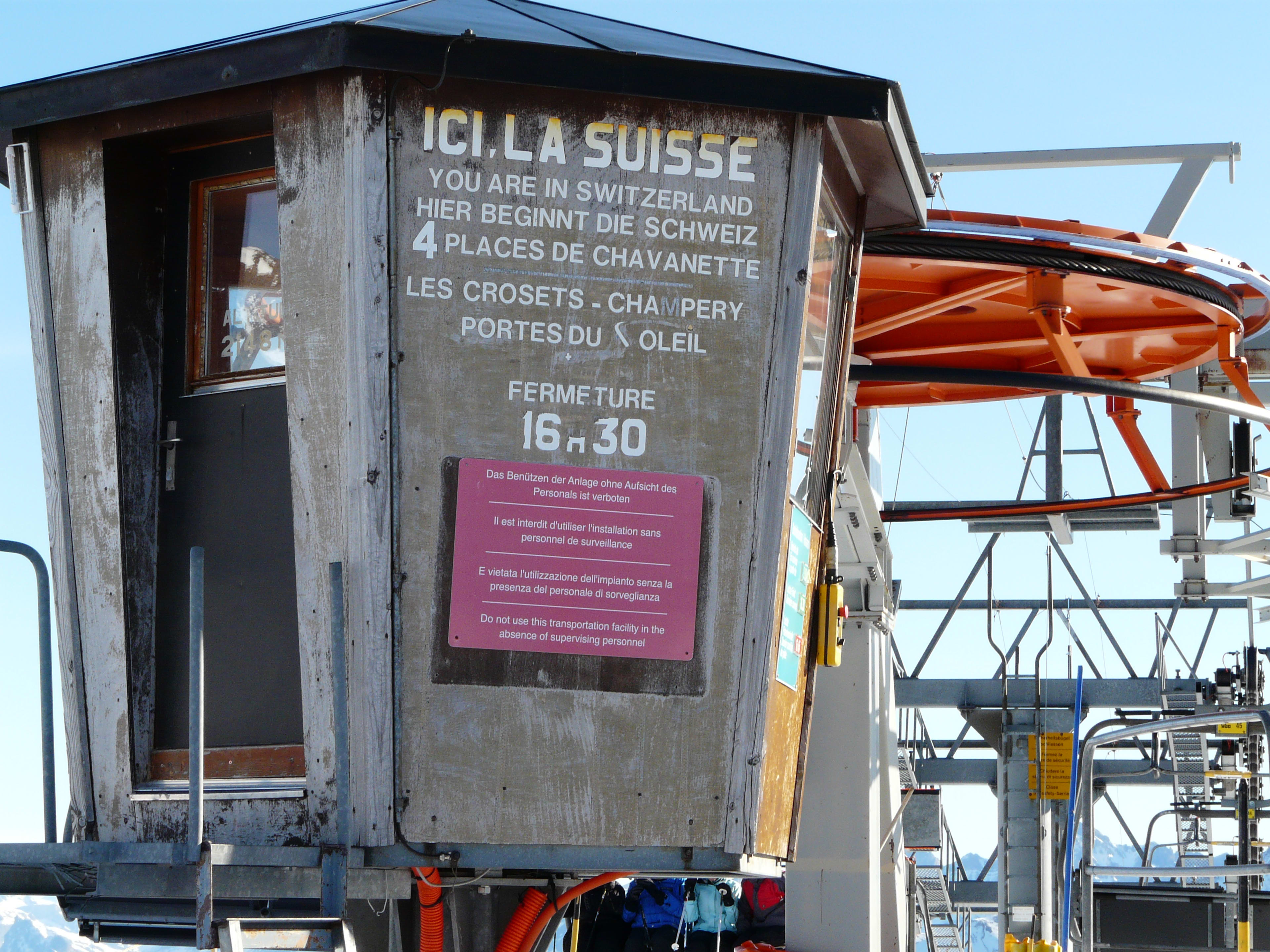
Morzine's local ski area covers 120km of pistes across 69 runs served by 48 lifts, with the terrain concentrated on the Pleney and Nyon sectors above the town. The local terrain is predominantly intermediate: long, sweeping blue and red runs descending through open forest, well-suited to improving skiers and families. A gondola from the edge of the village connects to Avoriaz (1,800m) — the Portes du Soleil's highest and most snow-sure satellite — adding steep blacks, a terrain park, and direct access to the Swiss sector via the Arare and Hauts Forts sectors. The full Portes du Soleil circuit, linking Morzine, Les Gets, Châtel, Morgins, Champéry, and more across the French-Swiss border, is one of the great ski odysseys in the Alps — a round trip taking the better part of a day and covering some 60km.
Morzine's 1,000m base elevation is its principal limitation. In warm January and February spells, the lower village runs can be slushy or thin; the trees that give the pistes their character become an obstacle when cover is minimal. The solution is altitude: the gondola to Avoriaz at 1,800m reaches terrain that holds reliable cover throughout the season, and the Swiss sectors accessed via the Portes du Soleil link extend the altitude range further. Snowmaking covers the main return runs to the village. In a normal winter with consistent snowfall from December onward, Morzine skiing is excellent from base to summit; in a lean year, the high sectors remain skiable while the village connections suffer.
The Morzine local area is served by 48 lifts, anchored by the Pleney and Nyon gondolas from the village base. The critical link is the Super-Morzine gondola (or the alternative Ardent gondola from the lower hamlet) that rises to Avoriaz — this connection to the Portes du Soleil's highest village is the gateway to reliable snow and the international circuit. Across the full Portes du Soleil, 214 lifts serve the network. Lift technology in Morzine's core sector is modern; some gondolas and chairs have been recently upgraded. Queues are rarely a problem outside French school holidays, when the resort fills substantially and the Pleney gondola can develop 20-30 minute waits at peak morning times.
Morzine's accommodation stock is diverse and ranges from traditional French hotels in the village centre (Le Samoyède, Le Dahu) to chalet-style apartments in the pedestrian streets and a substantial market in catered British-operated chalets across the resort. The village is walkable and largely flat, making it genuinely convenient for families with young children — pushchairs navigate the centre with relative ease. Les Gets, a quieter alternative 10 minutes away and directly linked to the Morzine ski area, offers a more compact and exclusively French atmosphere. Both villages have adequate supermarkets, ski rental shops, and ski schools (ESF and multiple independent operators).
Geneva Airport is the clear choice for Morzine. The 90km transfer via the A40 motorway through the Mont Blanc tunnel toll approach and the D902 through the Arve valley takes around 90 minutes by car or shared shuttle. Coach services (Altibus, FlixBus seasonal routes) provide affordable transfers but take 2–2.5 hours including stops. By train from Geneva Gare Cornavin to Cluses (approximately 45 minutes), then a connecting coach or taxi to Morzine (30–45 minutes further). Direct Eurostar services from London St Pancras to Morzine operate on Saturdays in the main season — a popular option for British skiers avoiding the airport.
Geneva is the primary gateway — the 75km transfer via the A40 motorway and the D902 through the Arve valley takes approximately 90 minutes in normal conditions. Multiple coach and shared shuttle services operate from Geneva Arrivals, including Altibus, FlixBus, and a number of specialist ski transfer operators; booking in advance is advisable for weekend arrivals. Morzine is also reachable by train from Paris Gare de Lyon (approximately 4 hours 30 minutes to Cluses, then coach transfer to resort).
Morzine represents good value by French Alpine standards. The Portes du Soleil 6-day lift pass costs approximately €260–295 for adults (2024/25 season), covering all 14 resorts across France and Switzerland — strong value for the scale of terrain. Morzine-only day passes are also available at lower cost for those not using the full circuit. Catered chalet accommodation from specialist British operators is the dominant accommodation format and can be excellent value for groups and families, particularly booked early. Eating and drinking is priced at mid-range French resort levels — cheaper than Geneva or Swiss resorts, more expensive than eastern European alternatives.
Adult 6-day Portes du Soleil lift pass approximately €260–295 (2024/25 season). Covers 14 resorts across France and Switzerland. Morzine-only passes available at lower cost. Verify current rates at morzine.com.
This is an approximate editorial reference for the season noted. Always check the official resort website for current prices.
All price references are editorial estimates for the 2024/25 season. Current season prices may differ; verify at the official resort website before booking.
Morzine's après-ski scene is substantially shaped by its British following. The Barometer, the Cavern (underground bar in a rock cave), and the Tibetan café at the top of the Pleney run are the main gathering points from around 15:30. The energy is lively, unpretentious, and often loud; it is not the high-intensity Austrian mountain party of the Mooserwirt, but it is genuinely social. For dinner, the options are varied: La Grange serves good Savoyard food (raclette, tartiflette, fondue), and more international options including Thai and pizza have established themselves in the village. The Friday market offers an alternative to restaurant dining for self-caterers.
The Portes du Soleil grand circuit (starting from Morzine, descending to Les Gets, crossing to Châtel, entering Switzerland via Morgins and Champéry, and returning via the Avoriaz gondola) is best done on a clear day with an early start. In poor visibility, the Swiss sector above Champéry is genuinely dangerous — the pistes are steep and the cliff edges are close. For reliable snow, base yourself in Avoriaz rather than Morzine if the choice is available — the extra 800m of altitude makes a significant difference in marginal weeks. The Super-Morzine gondola is the connection point; queues can be avoided by using the less-visited Ardent telecabine from the lower hamlet of the same name.
Family friendliness 9.0 is among the highest in our dataset — Morzine's gentle terrain, well-established ski schools, and compact walkable village make it a benchmark family destination. Snow reliability 6.5 reflects the 1,000m base elevation: in warm winters, lower runs can be thin, and skiers rely on the gondola link to Avoriaz for reliable cover.
The Jungfrau Ski Region — 211km of piste beneath the Eiger's north face, two car-free Alpine villages, and a UNESCO World Heritage backdrop.

The world capital of alpinism — where Mont Blanc reigns and skiing reaches its most extreme expression.

The birthplace of modern skiing — where the Arlberg technique was born and the world's most demanding linked ski area awaits.
Support our independent research and help us add more ski resorts.
☕ Buy us a coffee