
9.0Exceptional
Aspen Snowmass
Four mountains, one legendary ski town — from Buttermilk's beginner slopes to Highlands Bowl's world-class hike-to terrain.
Best for
Strengths
Lower-scoring areas
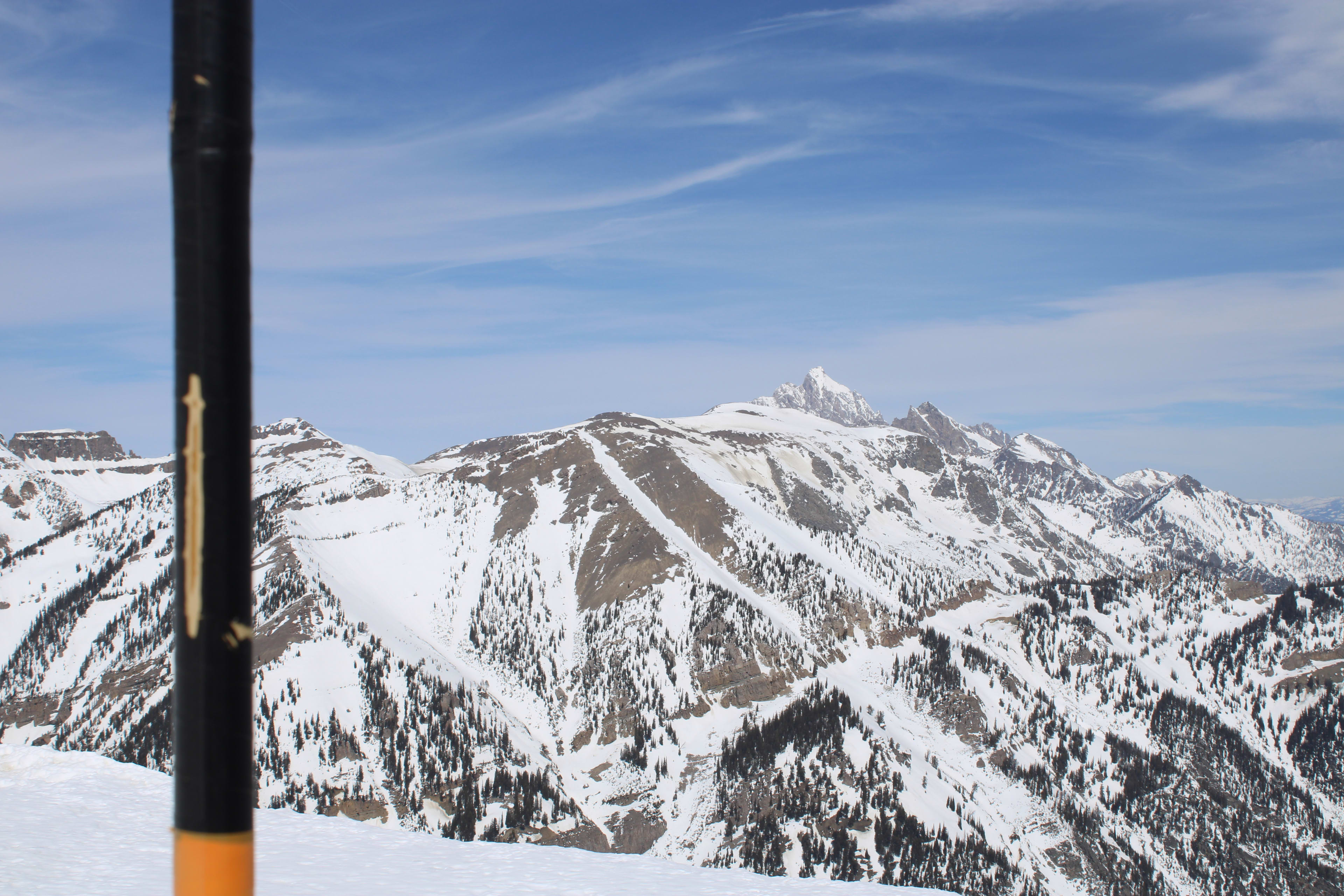
Jackson Hole is the closest thing American skiing has to a resort with genuine mountain credibility. It has not softened its terrain to attract beginners; it has not renamed its difficult runs to make them sound less threatening; it does not have a children's entertainment district with themed characters. What it has is a mountain that is genuinely serious, a local population that takes skiing seriously, and a setting — beneath the serrated spine of the Tetons, inside a national park, with a valley floor that still functions as a ranching community — that is the most spectacular in North America. The town of Jackson (12 miles from the resort) has evolved into a wealthy community of second-home owners and outdoor industry professionals, but it still has a Western saloon bar on the town square and a genuine civic identity that resort villages typically lack.
Jackson Hole's 2,500-acre ski area at the resort is deceptively presented as 133 runs, but the character is not about run count — it's about vertical and difficulty. Rendezvous Mountain offers the resort's signature experience: from the Aerial Tram summit at 3,185m, the Expert Chutes, the Cirque, and the Hobacks descend more than 1,000 vertical metres through terrain that requires commitment. Apres Vous Mountain, reached by the Bridger Gondola, provides the resort's intermediate terrain — gentler, less crowded, and genuinely enjoyable for confident intermediate skiers. The gate system enables backcountry access throughout the ski area boundary; Jackson Hole Mountain Resort is one of the few major resorts that actively facilitates and normalises sidecountry skiing rather than discouraging it.
Jackson Hole receives approximately 460cm of snowfall annually, arriving as predominantly continental powder — cold, dry, light — from Pacific storm systems that reload over the Great Basin before hitting the Tetons. The resort's high elevation and north-facing upper terrain preserve quality for several days after a storm. The Hobacks on the lower south-facing slopes can be affected by solar heating and wind slab, requiring careful timing. Snowmaking supplements key access routes but is not the primary mechanism — in a good year (which most years are), natural snow is abundant. The base elevation of 1,924m means the valley floor rarely sees rain during the ski season.
Jackson Hole operates 13 lifts — a small number for the terrain size that reflects both the mountain's focused character and the resort's deliberate restraint on infrastructure sprawl. The Aerial Tram (100-person cabin, first installed in 1966, completely rebuilt in 2008) is the resort's centrepiece and icon: it rises 1,077m in 9 minutes to the Rendezvous summit and is the only way to access the most serious terrain in a single uplift. The Bridger Gondola serves Apres Vous Mountain from Teton Village. A total of 13 high-speed quad chairs complete the network. Lift queues at the Tram form early on powder days; arriving before 08:30 opening is standard practice for those prioritising first tracks.
Teton Village — the resort base area — is a compact collection of ski-in/ski-out lodging, restaurants, and rental shops built around the Aerial Tram base. The Four Seasons Resort Jackson Hole (five-star, ski-in/ski-out, the most prestigious address) and the Teton Mountain Lodge (large, full-service, directly at the tram base) are the main hotel properties. The town of Jackson, 12 miles south, is the alternative: the historic town square with its elk-antler arches, Western saloons, art galleries, and a genuine small-city infrastructure offers a qualitatively different experience from a standard resort base village. Many visitors prefer to stay in Jackson and drive or take the START bus to the resort.
Jackson Hole Airport (JAC) is inside Grand Teton National Park — the only commercial airport in the US within a national park boundary — with direct seasonal flights from New York, Chicago, Los Angeles, Dallas, Houston, and Denver. Service runs from approximately mid-November to early April. The drive from JAC to Teton Village takes 20 minutes on US-26 and Teton Village Road. The START Bus operates public transit between Jackson town and Teton Village on a regular schedule throughout the ski season (free with resort lift ticket). Salt Lake City is an option for those unable to access JAC directly, but the 5-hour winter road journey significantly increases travel burden.
Jackson Hole Airport (JAC) is one of the most remarkable airports in North America — located inside Grand Teton National Park, with direct views of the Tetons from the runway. It serves direct seasonal flights from major US hubs including New York, Chicago, Los Angeles, Dallas, and Houston. The resort is 18 miles (20 minutes) from the airport. Salt Lake City (SLC) is the alternative for those with connecting flights, but the drive north on US-89 through Idaho takes approximately 5 hours in winter conditions.
Jackson Hole is priced at the premium end of US ski resorts. A single-day window ticket costs approximately USD 230–295 for the 2024/25 season. The Ikon Pass (USD 1,100–1,200 per season) includes 7 days at Jackson Hole among its 50+ partner resorts — the most cost-effective access for regular visitors. The Four Seasons and comparable properties command USD 800–2,500 per night in peak periods. Food in Teton Village is expensive; dining in Jackson town is somewhat more affordable. Overall budget for a quality week at Jackson Hole is substantial — but the quality of experience for expert skiers justifies the premium.
Single-day window ticket approximately USD 230–295 (2024/25 season); Ikon Pass includes 7 days at Jackson Hole. Verify current rates at jacksonhole.com.
This is an approximate editorial reference for the season noted. Always check the official resort website for current prices.
All price references are editorial estimates for the 2024/25 season. Current season prices may differ; verify at the official resort website before booking.
Après-ski in Teton Village operates at a lower intensity than Ischgl or St. Anton but with a higher authenticity quotient. The Mangy Moose — the resort's most famous bar and restaurant, operating since 1967 — is the gathering point immediately after the lifts close, with live music most evenings and a menu that serves serious food (prime rib, buffalo, elk) alongside an extensive whiskey selection. The Handlebar at the Four Seasons is the premium version. In Jackson town, Million Dollar Cowboy Bar on the town square is the most famous drinking establishment in Wyoming — saddle bar stools, live country music, and an atmosphere that is entirely genuine rather than curated. Snake River Grill and Trio are the best fine-dining options in the valley.
For Corbet's Couloir: stand at the lip and watch several skiers before you commit — the initial jump-turn entry requires a 2–4 metre launch off the cornice into the narrowest section of the couloir, and bailing halfway through is not an option. The resort's ski patrol offers a guided Corbet's Couloir experience for those who want a professional assessment before dropping in solo. For powder days: the Tram begins boarding at 08:20 for the 08:30 first run; arriving at 07:30 is recommended on a post-storm morning. The gate system for sidecountry access (Granite Canyon exit, Rock Springs exit) is available with no permit required — carry a transceiver, probe, and shovel and understand that the 'closed until further notice' gate signs are strictly enforced by ski patrol.
Beginner suitability 4.5 and family friendliness 5.0 reflect Jackson Hole's deliberate character as an expert mountain — the terrain is overwhelmingly demanding and the resort makes little attempt to attract beginners as a primary audience. Off-piste 9.5 reflects world-class backcountry access and expert in-bounds terrain; Corbet's Couloir and the Hobacks are in a global top tier.
Four mountains, one legendary ski town — from Buttermilk's beginner slopes to Highlands Bowl's world-class hike-to terrain.
Colorado's most famous mountain — 5,473 acres of Front Range skiing anchored by the legendary Back Bowls.

Colorado's most beautiful ski town — a National Historic Landmark beneath 4,000m peaks, linked to Mountain Village by a free gondola.
Support our independent research and help us add more ski resorts.
☕ Buy us a coffee