8.5Very Good
Vail
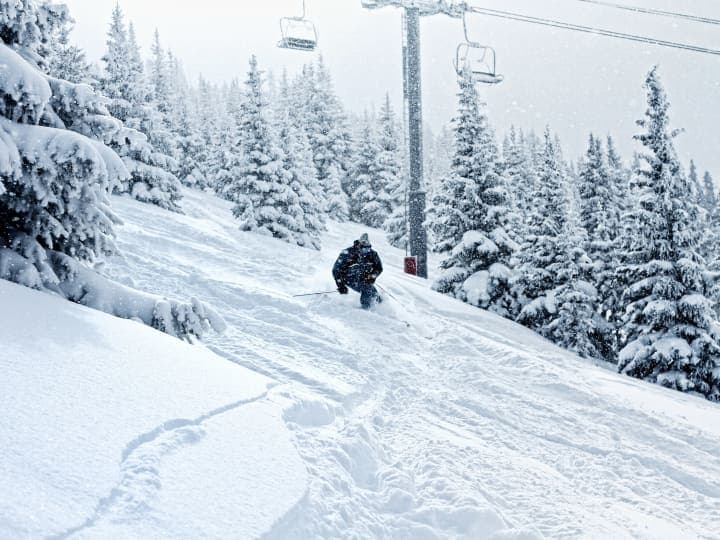
Colorado's most famous mountain — 5,473 acres of Front Range skiing anchored by the legendary Back Bowls.
Best for
Strengths
Lower-scoring areas
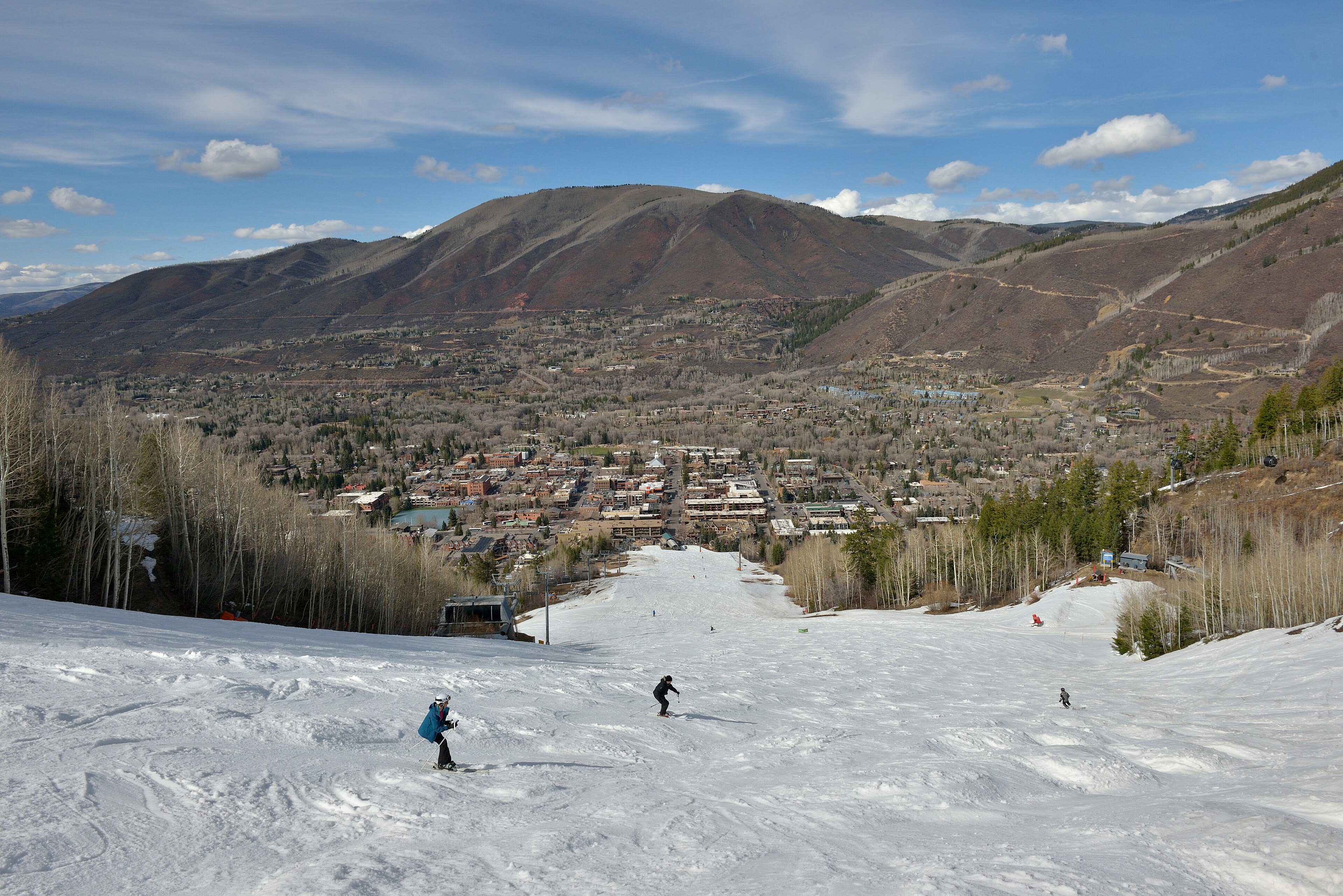
Aspen is a former silver mining boomtown that collapsed in 1893 and sat largely dormant until Walter Paepcke — a Chicago businessman and cultural idealist — arrived in 1945 and began the project of turning it into an arts-and-skiing community. The Aspen Music Festival, the Aspen Ideas Festival, the X Games, and the Food & Wine Classic are all expressions of that original vision — a ski town as a place of the mind, not just the mountain. The result is a community of approximately 7,700 permanent residents who support a year-round programme of cultural events matched in intensity by the ski season. Walking the Victorian main streets of Aspen — the Wheeler Opera House, the Hotel Jerome, the red-brick commercial blocks — gives a sense of a place that is, against all probability, genuinely worth the price.
The four mountains each have a distinct personality. Aspen Mountain (Ajax): the original and most famous, a single long ridgeline above the town with no beginner terrain and an accessible, technically demanding network of blue-black and black runs centred on the Silver Queen Gondola. Aspen Highlands: the most scenically dramatic, rising steeply from the Maroon Creek valley with the Maroon Bells visible from the top; home to Highlands Bowl above the lifts. Buttermilk: a low-key, friendly mountain used heavily by families and ski school (and annually transformed by ESPN for the Winter X Games). Snowmass: the largest single mountain (3,132 acres) with the broadest terrain spread — a complete resort in its own right, with a purpose-built village at the base and over 30km of groomed runs.
Aspen's Elk Mountain location receives approximately 300cm of snowfall annually — consistent, dry Colorado powder with the continental character that makes the state's skiing so prized. The four mountains' varying aspects spread risk: Highlands Bowl's north-facing cirque holds cold powder for days after a storm; Buttermilk's gentle south-facing terrain warms first. Snowmass's size means different aspects produce reliably different snow conditions on the same day. Snowmaking is available on key return runs but is rarely relied upon in a normal season. The resort's average base elevation of 2,400m+ ensures reliable skiing from the Thanksgiving opening through early April.
Aspen Snowmass operates 40 lifts across the four mountains — the Silver Queen Gondola on Ajax (the signature installation), the Cloud 9 and Loge Peak lifts on Highlands, the dedicated access systems on Buttermilk and Snowmass. Connecting between mountains requires a free shuttle bus system; there is no ski connection between Aspen Mountain and the other three (which are 10–20km from town by road). The Snowmass Village gondola connects the base village to the skiing. Overall, the lift technology is modern and efficiently maintained by Aspen Skiing Company, an independent operator (not on the Epic or Ikon pass networks — Aspen has its own Ikon Pass partnerships).
Aspen town is the primary accommodation hub — a tight, walkable Victorian grid of boutique hotels, luxury condominiums, and the historic Hotel Jerome (a Marriott Autograph Collection property dating from 1889, recently restored, and one of the best hotel experiences in US skiing). The Little Nell, ski-in/ski-out at the Silver Queen Gondola base, is the flagship five-star and one of the most decorated ski hotels in the country. Snowmass Village has its own accommodation base — the Base Village development includes the Limelight and several condominium complexes — offering a quieter alternative with direct ski access to the largest mountain. The supply of accommodation in Aspen town is genuinely constrained by the Victorian building stock; prices during the Christmas–New Year and Presidents' Day holiday weeks can be extraordinary.
Aspen/Pitkin County Airport (ASE) is the most convenient gateway, though its high-altitude approach (2,350m, ILS approach) means weather delays are not uncommon. Direct seasonal service from major US hubs makes it the first choice when flights are available. For international arrivals, connecting through Denver and taking either the ASE connection (subject to weather) or driving the I-70/CO-82 highway (3 hours 45 minutes in normal conditions) are the two options. Roaring Fork Transit Authority (RFTA) operates free ski season buses between the airport, Aspen, and Snowmass Village. Driving through Glenwood Canyon on I-70 offers some of the most dramatic road scenery in Colorado.
Aspen/Pitkin County Airport (ASE) is directly adjacent to the resort — a 10-minute drive from the town centre. It serves direct seasonal flights from Chicago, Los Angeles, New York, Dallas, and Houston, and operates under instrument approach restrictions that sometimes cause delays in low visibility. Eagle County (EGE, 115km east) is the backup airport with more reliable approaches and similar hub connections. Denver (DEN) is the main alternative for unrestricted international connections; the drive through Glenwood Canyon on I-70 takes 3 hours 45 minutes in good conditions.
Aspen is the most expensive ski resort in North America by most measures. A single-day lift ticket on Aspen Mountain costs approximately USD 260–340 for the 2024/25 season; multi-mountain passes for all four mountains are available at somewhat better per-day rates. The Little Nell's room rates start at approximately USD 1,200 per night in high season and reach USD 5,000+ for suites. A mid-range condominium in Snowmass Village for a week in February might cost USD 5,000–10,000. Dining costs match: dinner for two with wine at a mid-range Aspen restaurant comfortably exceeds USD 200. Budget substantially more than any other US ski resort, and considerably more than most European luxury alternatives.
Single-day window ticket approximately USD 260–340 (2024/25 season); multi-mountain passes available. Ikon Pass includes days at Aspen Snowmass. Verify current rates at aspensnowmass.com.
This is an approximate editorial reference for the season noted. Always check the official resort website for current prices.
All price references are editorial estimates for the 2024/25 season. Current season prices may differ; verify at the official resort website before booking.
Aspen's après-ski and dining culture is the best in North American skiing. On the mountain, Ajax Tavern at the Silver Queen Gondola base is the traditional gathering point: outdoor fire pit, heated terrace, excellent cocktail list, open from 11:30 through mid-afternoon. Cloud 9 Alpine Bistro on Aspen Highlands serves a notable lunch in a table-clothed dining room at 3,000m — reservations are required weeks in advance for weekends. In the evening, Aspen's restaurant scene is legitimately world-class: Matsuhisa (Nobu's original Aspen collaboration), Element 47 at the Little Nell (James Beard recognised wine programme), and Clark's Oyster Bar are among the highlights. The Wine Bar at Hotel Jerome and the Living Room at the St. Regis are the classic après-evening gathering points for the serious wine drinker.
Highlands Bowl is accessed by a 25–45 minute bootpack from the top of the Olympic Chair — carry your skis for the hike, then ski 300+ untracked vertical metres of north-facing powder back to the lift. Arrive at the Olympic Chair at opening (08:30) on a powder day; the bowl fills with ski patrol and expert skiers by 09:00 and the first hike takes 45 minutes. For Aspen Mountain on busy days, the Silver Queen Gondola has a singles line that moves significantly faster than the main queue. The Snowmass Elk Camp sector (served by the Elk Camp Gondola from Snowmass Village) is the quietest of the four mountains on weekdays and holds the resort's longest groomed run (Two Creeks, approximately 4km). Aspen Skiing Company's Ikon Pass integration: verify current pass terms — the access structure changes between seasons.
Editorial score 9.0 reflects the unique combination of four complementary mountains, exceptional town infrastructure, and a cultural programme that makes Aspen Snowmass compelling beyond the skiing itself. Value for money 5.0 is among the lowest in our dataset — Aspen is genuinely one of the most expensive places to ski in the world, with accommodation costs that reflect demand exceeding supply in a constrained Victorian town centre.
Colorado's most famous mountain — 5,473 acres of Front Range skiing anchored by the legendary Back Bowls.

Wyoming's authentic mountain — Corbet's Couloir, the Aerial Tram, and the steepest lift-served terrain in North America.

Colorado's most beautiful ski town — a National Historic Landmark beneath 4,000m peaks, linked to Mountain Village by a free gondola.
Support our independent research and help us add more ski resorts.
☕ Buy us a coffee