
9.0Exceptional
Lech Zürs am Arlberg
Austria's most beautiful ski village — Lech Zürs anchors Ski Arlberg, Austria's largest connected ski area, with 305km of pistes.
Unterillertaler / CC BY-SA 3.0
Best for
Strengths
Lower-scoring areas
Cortina operates at the intersection of serious Italian style and serious Alpine tradition. The Corso Italia — the main pedestrian shopping street — is the most elegant promenade in skiing: furs, cashmere, espresso bars, and high-end equipment shops in equal measure, occupied by a clientele whose primary investment is the appearance of effortless competence. The skiing is, in fact, very good, but Cortina has always been as much about being seen as about technical achievement. The 1956 Winter Olympics established its international profile; the 2026 Winter Olympics (Milan-Cortina, Alpine events) prompted a significant investment in the lift network, most visibly the Cortina Skyline gondola linking the Tofane and Cinque Torri sectors. Behind the glamour is a town of 6,000 permanent residents with real community institutions — a cathedral, a market, a football club — and a long Ladin cultural tradition distinct from both Italian and Tyrolean Alpine culture.
Cortina's 120km of local runs are supplemented by the Dolomiti Superski pass, which connects 12 Dolomite valleys including Alta Badia, Val Gardena, and the Sella Ronda circuit — one of the world's great ski tours. Within the resort, terrain divides across four separate massifs: Faloria-Cristallo (eastern, technical, quiet), Tofana (highest at 2,932m, most demanding), Cinque Torri-Lagazuoi (central, spectacular, mixed ability), and Mietres-Son dei Prade (beginner-friendly lower slopes). The Sella Ronda tour — 40km of marked skiing and 26km of lifts completing a circuit around the Sella massif — requires a full day and the Dolomiti Superski pass, but is one of the defining ski experiences in Europe.
Cortina's Dolomite location creates mixed snow conditions: the rock-and-limestone terrain drains quickly, and south-facing aspects can become icy or thin in warm spells. The Tofana sector, north-facing and above 2,500m, holds snow well; the mid-mountain Faloria sector and the lower Cinque Torri runs are more variable. Snowmaking covers the main competition runs and return pistes to the resort. The 2026 Olympic lift upgrade programme delivered improved high-altitude infrastructure and the new Cortina Skyline gondola, extending cross-valley access between sectors.
Cortina's 37 lifts include several landmark installations: the Freccia nel Cielo (Arrow in the Sky) cable car to the Tofana summit at 2,932m, the Faloria cable car crossing the valley at 2,123m, and the Lagazuoi cable car (accessed from the Passo Falzarego, 15 minutes by bus) reaching 2,752m for the legendary Armentarola ski safari. The Cortina Skyline gondola — a 4.6km, 10-person cabin link opened for the 2026 Olympics — connects the Son dei Prade (Tofane side) to the Cinque Torri sector in approximately 15 minutes, eliminating the previous bus transfer between these areas. The disconnected layout of sectors — several require bus transfers between them — is the main logistical limitation.
Cortina's accommodation stock spans the full luxury spectrum. The Cristallo, a Palace hotel dating from 1901, is the historic centrepiece — five stars, a spa, and impeccable service on the northern outskirts. Hotel de la Poste, centrally located on the Corso Italia, is the social hub for the well-connected Italian ski crowd. Numerous boutique hotels, converted farm buildings, and luxury chalet rentals fill the intermediate range. Budget accommodation barely exists within Cortina itself; nearby Pocol and San Vito di Cadore are cheaper alternatives. Dining in Cortina is a serious Italian endeavour: Michelin-starred El Camineto and Il Meloncino al Camineto operate alongside family-run trattorias serving carne, pasta, and the local Ampezzano cuisine.
There is no rail access to Cortina — the last train left in 1964 and the line has not been rebuilt, despite periodic promises. All arrivals are by road. From Venice Marco Polo, the private transfer route follows the A27 motorway north to Belluno and then the SR48 Dolomite road through the Cadore valley — approximately 2 hours 15 minutes in good conditions, longer in winter when the mountain sections slow traffic. From Innsbruck, the journey via the Brenner motorway and the Passo Pennes takes approximately 1 hour 30 minutes — a useful option for those already in the Alps. Helicopter transfers from Venice operate in good weather.
Venice Marco Polo is the primary international gateway; the transfer to Cortina takes approximately 2 hours 15 minutes by private transfer via the A27 motorway and the SR48 Dolomites road. Bolzano Airport (BZO), though small, serves Lufthansa connections from Frankfurt and Munich and is the closest airport at approximately 75 minutes. There is no rail connection to Cortina — the historic narrow-gauge line was closed in 1964 and has never been replaced; all transfers are by road.
Cortina is priced at the premium end of the Italian Alps. A 6-day Cortina d'Ampezzo local lift pass costs approximately €280–310 for the 2024/25 season; the Dolomiti Superski pass covering all 12 connected valleys costs approximately €340–380 for 6 days and is strongly recommended for most visitors. Italian mountain food — pasta, grilled meats, local wines — is excellent value by Alpine standards; eating well costs noticeably less than in Switzerland or the French Tarentaise. Accommodation in the luxury hotels matches European five-star pricing; self-catering apartments offer more reasonable rates.
Adult 6-day Cortina local pass approximately €280–310; Dolomiti Superski pass (12 valleys) approximately €340–380 (2024/25 season). Verify current rates at dolomiti.org.
This is an approximate editorial reference for the season noted. Always check the official resort website for current prices.
All price references are editorial estimates for the 2024/25 season. Current season prices may differ; verify at the official resort website before booking.
Après-ski in Cortina is conducted at a leisurely Italian pace — the intensity of St. Anton's outdoor mountain parties or Ischgl's concerts is not the character here. The Lovat in the Hotel de la Poste is the traditional end-of-day gathering point for the Italian ski aristocracy; the Bar Sport and El Faral in the Corso Italia serve aperitivo hour with Aperol Spritz and Prosecco as skiing winds down. In the evening, Cortina's restaurants are the main event: La Perla in Alta Badia (Michelin two-star, on the Dolomiti Superski circuit) is worth building a day trip around. Locally, El Toula (farmhouse setting, traditional Venetian-Ladin cuisine) and Birraria al Castello are reliable choices.
Buy the Dolomiti Superski pass rather than the Cortina-only pass — the incremental cost is modest and the access to the Sella Ronda circuit and Alta Badia completely transforms the scope of the trip. The Armentarola ski safari from the Lagazuoi summit: take the cable car from Passo Falzarego, ski the long off-piste descent to San Cassiano in Alta Badia, and return by taxi or horse-drawn sleigh (a paid local tradition) — allow a full half-day. The Cinque Torri sector is the most accessible introduction to the Cortina style of skiing — the area at 2,137m with the extraordinary rock towers provides the most photographed views in Dolomite skiing. The Cortina Skyline gondola enables a full circuit of the western valley sectors in a day: Son dei Prade → Cinque Torri → Falzarego → Lagazuoi cable car for the Armentarola safari → horse-drawn sleigh or taxi return from San Cassiano in Alta Badia. Allow a full day and carry the Dolomiti Superski pass.
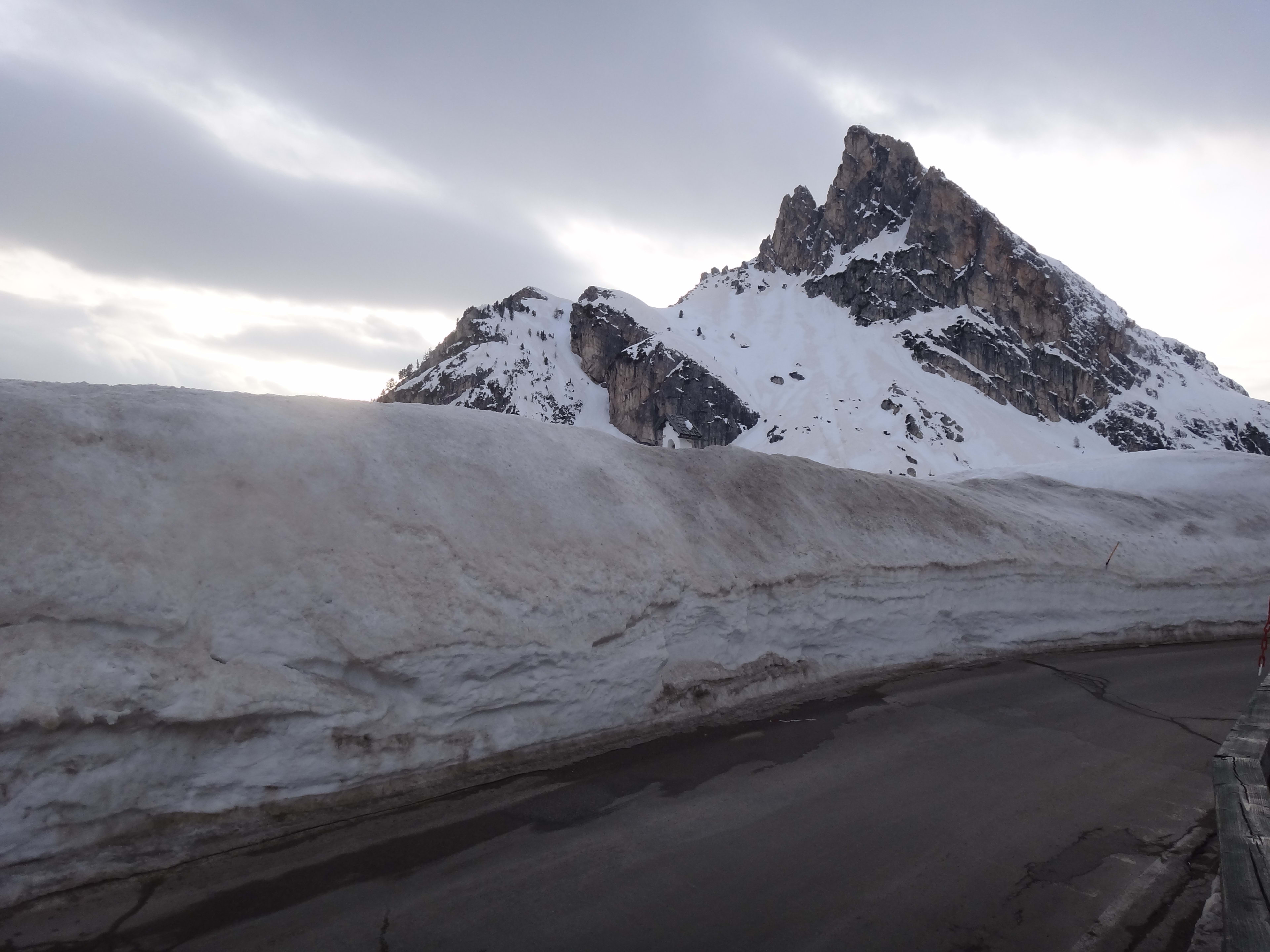
Scenic beauty scored 10.0 — the Dolomite formations surrounding Cortina are unlike anywhere else in skiing, and the pink alpenglow on the rock faces at dusk is genuinely extraordinary. Snow reliability 7.0 reflects exposure to warm southerly airflows and moderate altitude; The 2026 Olympic infrastructure programme delivered the new Cortina Skyline gondola connecting the Tofane and Cinque Torri sectors.
Austria's most beautiful ski village — Lech Zürs anchors Ski Arlberg, Austria's largest connected ski area, with 305km of pistes.

The Jungfrau Ski Region — 211km of piste beneath the Eiger's north face, two car-free Alpine villages, and a UNESCO World Heritage backdrop.

Ski in the shadow of the Matterhorn across 322 kilometres of car-free Alpine perfection.
Support our independent research and help us add more ski resorts.
☕ Buy us a coffee