
9.0Exceptional
Aspen Snowmass
Four mountains, one legendary ski town — from Buttermilk's beginner slopes to Highlands Bowl's world-class hike-to terrain.
Best for
Strengths
Lower-scoring areas
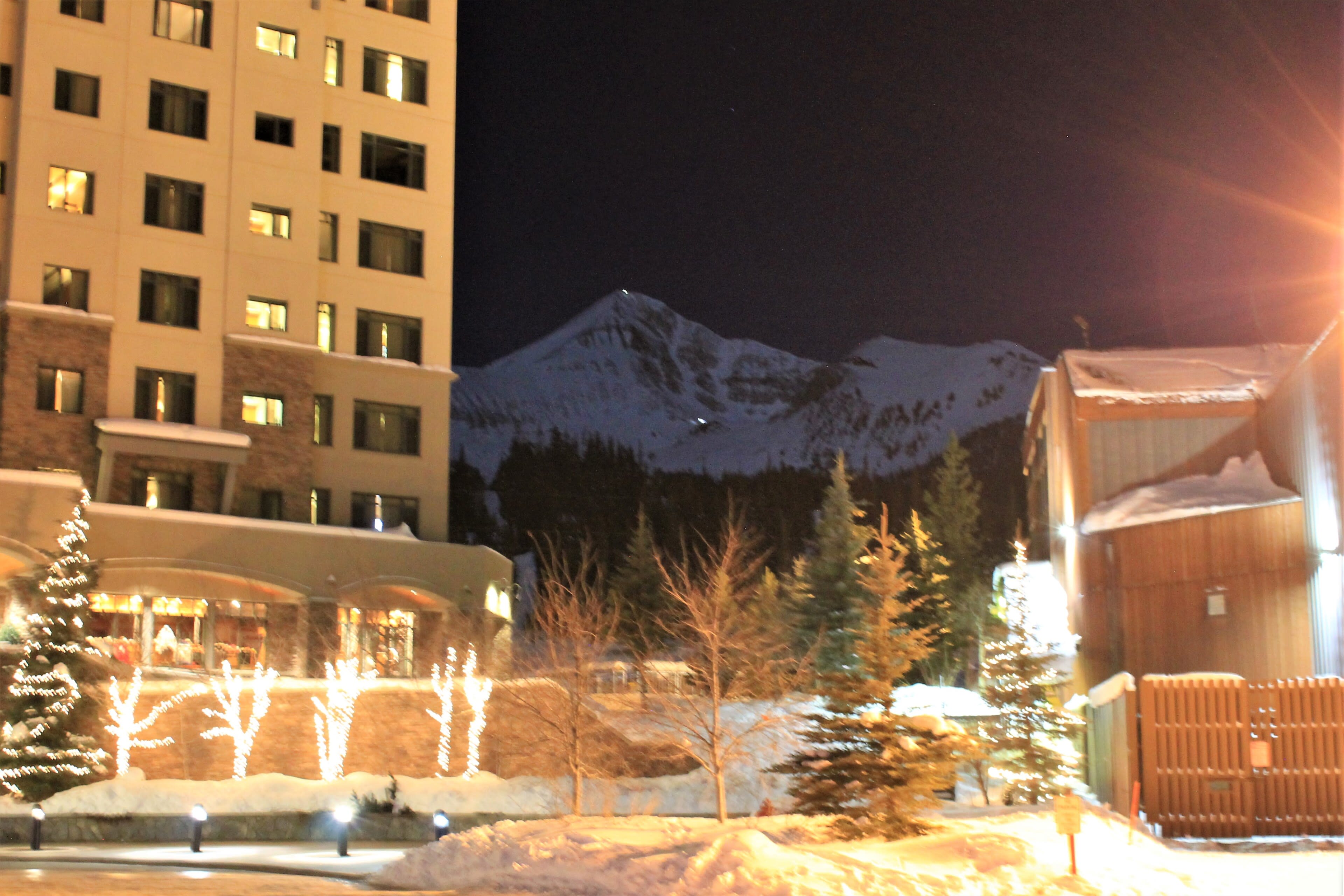
Big Sky's character is defined entirely by scale. Five thousand eight hundred and fifty acres — the largest ski resort footprint in the United States — creates a resort where finding uncrowded terrain on a peak holiday weekend is genuinely possible, where powder lines on north-facing aspects survive days after a storm because there simply aren't enough skiers to track them out, and where the Lone Peak Tram deposits a handful of passengers at a time at 3,403m above an ocean of Montana mountain terrain. The resort was created from the Lone Mountain Ranch development in 1973 by newscaster Chet Huntley, and grew through several ownership phases before the 2013 merger with Moonlight Basin doubled its footprint. The Mountain Village base area is purpose-built and functional — not the most atmospheric ski village in the West — but Big Sky's visitors come for the mountain, not the village.
The 5,850-acre ski area is divided among three mountain zones: Lone Mountain (the summit peak and expert terrain, including the Tram), Andesite Mountain (primarily intermediate and beginner terrain, well-suited to families and progression), and the former Moonlight Basin side (access via the Lone Peak Tram or the Iron Horse lift, with expert terrain on the Moonlight runs). The run distribution breaks down as 21 per cent beginner, 15 per cent intermediate, 14 per cent advanced-intermediate, 31 per cent advanced, 11 per cent expert, and 8 per cent extreme — making this one of the most advanced-skier-oriented resorts in North America by acreage weighting. The Big Couloir off the Lone Peak Tram is one of the most celebrated extreme descents on the continent: a 50-degree face accessible only by the tram, with a mandatory ski patrol sign-in for the gate, and one of the finest steep descents in North American skiing.
Montana's continental snowbelt delivers cold, dry powder to Big Sky with reassuring regularity. The resort averages around 750cm (300 inches) of snow annually, driven by Pacific weather systems that sweep across Idaho and Montana from the northwest. The cold temperatures at altitude — regularly below −15°C at Lone Peak in January — produce a snowpack that retains powder quality well between storms. February is typically the deepest month. The north-facing aspects of Lone Mountain's summit terrain and the Moonlight Basin side hold untracked powder for days after a storm — a function of Big Sky's low skier density as much as its aspect. Snowmaking covers the primary access runs and the Andesite Mountain terrain.
Forty lifts include the Lone Peak Tram — the visual and experiential centrepiece of the resort — alongside 2 gondolas, 8 high-speed quad chairlifts, 16 fixed-grip chairs, and 13 surface lifts. The Tram holds only 15 passengers and runs on demand, making it a deliberately intimate summit experience with consistently short waits even on busy days. The Ramcharger 8, a high-speed eight-passenger chairlift, is the fastest and highest-capacity lift on the mountain and serves the main intermediate and advanced terrain above Mountain Village. The Andesite Express gondola provides village-to-mountain base access. A notable efficiency of the resort's scale is that most intermediate and advanced skiers naturally spread across multiple lifts and zones, reducing per-lift queue times even at capacity.
Mountain Village is a purpose-built base area with hotel accommodation, condominium complexes, restaurants, and retail concentrated around the central Lone Mountain Trail road. The Summit Hotel, Shoshone Condominium Hotel, and Huntley Lodge represent the full-service accommodation tier. For visitors seeking a more authentic Montana experience, the town of Big Sky (a 15-minute drive) and Bozeman (65 minutes) offer more varied dining and accommodation options. The Lone Mountain Ranch, adjacent to the ski area, is the premium alternative — a working guest ranch with ski-in access and a distinctive Western atmosphere. Most first-time visitors stay in Mountain Village for convenience; repeat visitors often migrate toward Bozeman accommodation for the city amenities.
Bozeman Yellowstone International (BZN) has grown substantially in recent years into a well-connected regional hub, now handling direct services from a dozen major US cities including Seattle, Los Angeles, Denver, Dallas, Salt Lake City, and Chicago O'Hare. The 65-minute drive south on US-191 through the Gallatin Canyon is straightforward in most conditions — the canyon road is well-maintained but can close briefly during avalanche control operations, so check Big Sky's road condition updates before departure. A rental car is practical; resort shuttles also operate on a schedule from BZN during peak season. Yellowstone National Park's north entrance at Gardiner is 90 minutes from the resort, making a ski-and-wildlife combination trip genuinely feasible.
Bozeman Yellowstone International (BZN) is the sole practical gateway, at approximately 65–75 minutes south on US-191 through the Gallatin Canyon — the same road that runs through Gallatin National Forest and follows the Gallatin River. The airport has seen significant expansion in recent years and now handles regular direct services from Seattle, Salt Lake City, Denver, Dallas, Los Angeles, and major east coast hubs. BZN is a compact airport and transfers are straightforward. A rental car is the practical choice given the resort's distance and the absence of reliable shuttle services beyond scheduled transfers. The drive through the Gallatin Canyon is one of the more scenic resort approaches in North America.
Big Sky's pricing occupies the mid-premium tier — meaningfully less expensive than Colorado's Vail, Aspen, or Telluride, while still reflecting the costs of a world-class destination resort. Window lift ticket prices run approximately $165–195 per day at peak season (2024/25 rates). The resort is included on the Ikon Pass, which substantially reduces the per-day cost for multi-visit skiers. Accommodation in Mountain Village runs $200–500 per person per night for hotel rooms and condominiums in peak weeks; on-mountain dining at mid-tier restaurants runs $20–35 for lunch. The combination of Ikon Pass access, Montana's lower accommodation costs compared to Colorado, and the resort's lower commercial density makes Big Sky a genuinely compelling value proposition relative to its skiing quality.
Single-day adult lift ticket approximately $165–195 at peak season window rate (2024/25 season). Included in Ikon Pass. Ski area: 5,850 acres — no kilometres figure published. Verify current rates at bigskyresort.com.
This is an approximate editorial reference for the season noted. Always check the official resort website for current prices.
All price references are editorial estimates for the 2024/25 season. Current season prices may differ; verify at the official resort website before booking.
The après-ski culture at Big Sky is a Montana Mountain rather than Colorado Alpine affair — boots-on, unpretentious, and oriented toward the skiers who just came off the mountain rather than those performing a social obligation. The Carabiner Bar and the Huntley Dining Room in Mountain Village handle the base area crowd. Montana's craft beer culture is well-represented across the resort's bars and restaurants. The real dining draw is the Lone Mountain Ranch's dining room — a consistently excellent Western ranch cuisine experience in a historic log cabin setting that attracts visitors from across the resort. Bozeman's restaurant scene (65 minutes away) is genuinely strong for a city of its size and worth a dinner excursion for visitors on multi-day stays.
The Big Couloir requires a sign-in with ski patrol at the tram top station — go first thing in the morning as early-departures fill the limited daily spots quickly. After a major snowfall, the Dakota Territory terrain on the lower mountain (accessed by the Dakotah lift) fills in with excellent powder that is significantly less tracked than the above-treeline Lone Peak terrain. For beginners, the Explorer lift and Andesite Mountain terrain offers a genuinely separate mountain experience from the expert crowds — the green and blue runs here are long, well-groomed, and quiet relative to comparable terrain at Colorado resorts. The Ikon Pass is the most significant available discount mechanism; budget visitors should build their trip around pass days rather than window tickets.
Terrain variety (9.0) and off-piste (9.0) reflect 5,850 acres that genuinely span every ability level and style of skiing — from Andesite Mountain's groomed beginner terrain to Lone Peak's extreme couloirs and the Dakota Territory backcountry gate access. Village charm (6.0) is an honest reflection of Mountain Village's functional rather than beautiful character: the commercial strip and accommodation blocks are well-operated but lack the organic mountain community feel of towns like Bozeman or Telluride. Value for money (7.5) represents a genuine proposition: Big Sky's combination of scale, uncrowded terrain, and mid-premium pricing offers better acres-per-dollar than comparable Colorado resorts. Runs total (320) is the official resort figure — runs vary significantly in size and challenge.
Four mountains, one legendary ski town — from Buttermilk's beginner slopes to Highlands Bowl's world-class hike-to terrain.
Colorado's most famous mountain — 5,473 acres of Front Range skiing anchored by the legendary Back Bowls.

Wyoming's authentic mountain — Corbet's Couloir, the Aerial Tram, and the steepest lift-served terrain in North America.
Support our independent research and help us add more ski resorts.
☕ Buy us a coffee