
7.0Good
Kopaonik
Serbia's largest ski resort — 55km of forested National Park pistes at a price that makes the Balkans' best ski destination hard to argue with.
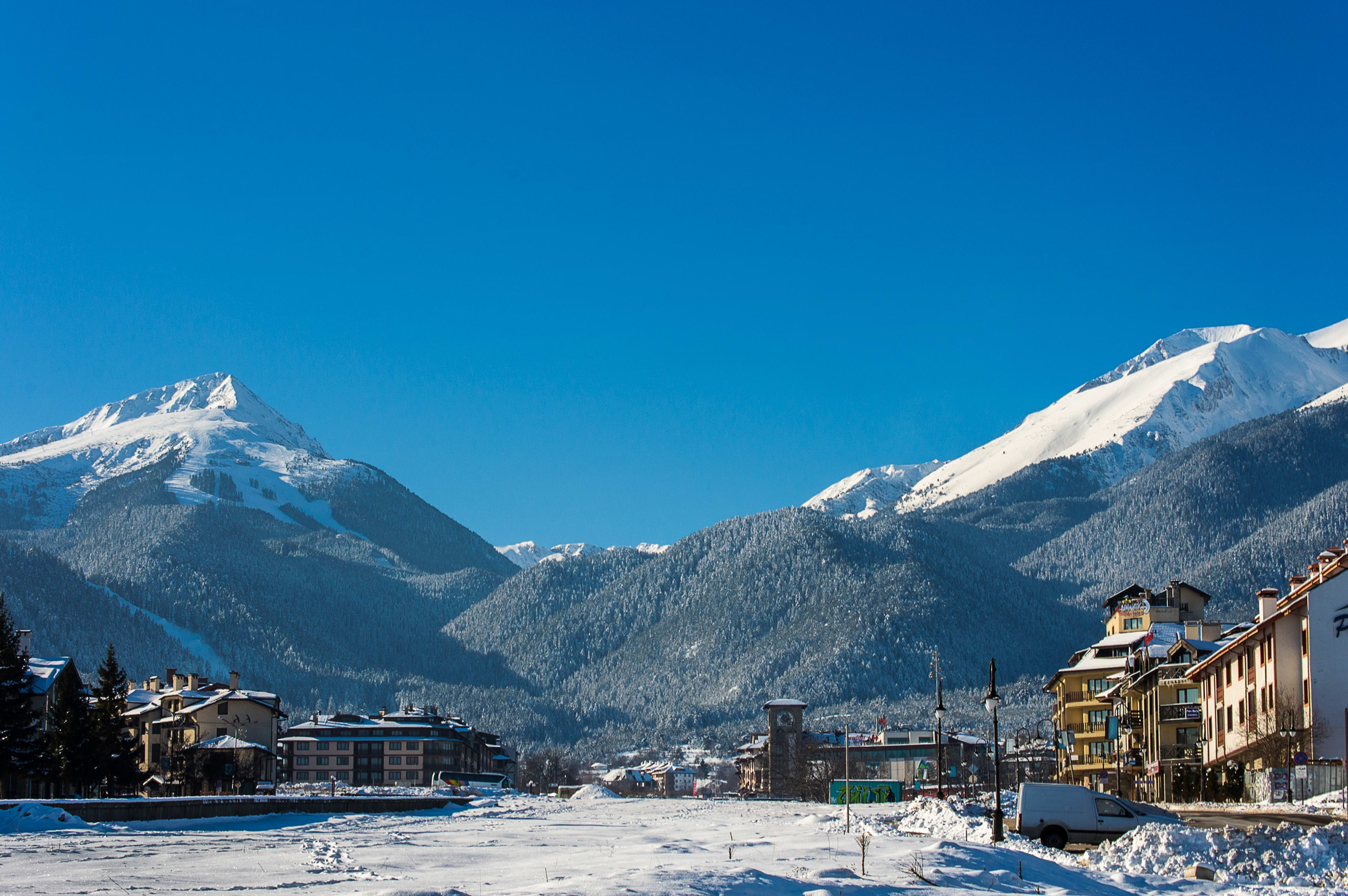
Balcon del Mundo / CC BY-SA 2.0
Best for
Strengths
Lower-scoring areas
The divide between old and new Bansko is the most distinctive thing about the resort. The UNESCO-protected old town — a dense quarter of 18th and 19th-century stone houses, hidden courtyards, and low-vaulted mehana restaurants — sits several kilometres from the gondola base station, which is flanked by a newer strip of hotels and ski hire shops. The contrast can feel disorienting on arrival, but both halves reward exploration. Evening culture in the old town — wine, grilled meat, live folk music in candlelit cellars — is one of the better après-ski experiences in the Balkans, and entirely affordable.
The ski area is accessed exclusively via the main 8-person gondola from the base station, which remains a significant bottleneck on busy days. From the top station at Banderishka Polyana, runs spread across three main faces: the Plato sector (wide, predominantly intermediate), the Shiligarnika sector (steeper, with the resort's genuine black runs), and the Tomba piste system. Total groomed terrain is 75km, composed of roughly 30% beginner, 45% intermediate, and 25% advanced runs. The black pistes here are legitimate — Tomba, named after the Italian racer Alberto Tomba who trained here, is steep and narrow in sections. Ski cross and freestyle park are maintained at Chalin Valog.
At lower elevations, Bansko is vulnerable to the mild continental climate that can bring rain instead of snow in December and warm spells in March. The snowmaking system — 230+ guns covering more than 80% of the ski area — largely compensates, and the pistes are almost always groomed and white when open. Natural snowfall averages 130–180cm annually, modest by Alpine standards. Above 2,000m, where the Pirin mountains catch more reliable cold air from the northwest, conditions are better. The Todorka peak and adjacent terrain hold snow well when lower pistes soften.
14 lifts serve the ski area: the main 10-person Gondola Bansko as the sole base access point, five high-capacity chairlifts, and drag lifts for beginner zones. The lift infrastructure is modern and in good condition — all major installations are post-2004. The critical bottleneck is the gondola: with a capacity of 2,400 persons/hour, it struggles on peak January and February Saturdays when hotel turnover creates simultaneous morning rush. Arriving before 09:00 or after 11:00 significantly reduces queuing. Within the ski area itself, connections are fluid and waits minimal.
Accommodation in new Bansko clusters around the gondola base along Pirin Street: four-star hotels with spa facilities, self-catered apartments, and a growing number of chalet-style properties. Prices are the strongest argument — a comfortable ski-in/ski-out hotel room costs €60–120 per night in mid-season, a fraction of comparable Western Alpine options. The old town offers smaller guesthouses and renovated period properties for those who prefer character over convenience. The free ski bus connects the old town to the gondola base throughout the day.
Sofia Airport (SOF) handles all major European low-cost carriers including Wizz Air, Ryanair, and easyJet, with strong seasonal schedules from the UK, Germany, Poland, and Scandinavia. The transfer to Bansko takes approximately 2.5 hours by private car or shared shuttle. Budget transfers from Sofia can be booked online for €15–25 per person each way with shared services. Skopje (SKP) in North Macedonia is an alternative for travellers from the Western Balkans.
Shared shuttle and private transfer services run regularly from Sofia Airport to Bansko. The 165km route south on the Struma motorway takes 2–2.5 hours in normal conditions. No rail connection to Bansko town; bus services from Sofia operate but are slow (3.5h+).
A 6-day adult lift pass for Bansko costs approximately €175–200 in the 2024/25 season — less than half the price of a comparable French or Swiss pass. Equipment hire runs €15–25/day for a full set. Ski school group lessons cost €80–120 for 5 days. A comfortable lunch on the mountain costs €10–15; a bottle of local wine at a mehana in the old town costs €8–15. For budget-conscious skiers, a week in Bansko including flights, accommodation, lift pass, and food can be arranged for less than the lift pass alone at Zermatt or Val d'Isère.
Adult 6-day lift pass approximately €175–200 (2024/25 season). Prices vary by age and booking window; verify current rates at banskoski.com.
This is an approximate editorial reference for the season noted. Always check the official resort website for current prices.
All price references are editorial estimates for the 2024/25 season. Current season prices may differ; verify at the official resort website before booking.
Mountain dining at Vihren Hut (1,950m) and the Banderishka Polyana restaurant are pleasant but not exceptional — functional self-service and some sit-down areas with Bulgarian mountain food. The real experience happens at night in the old town: mehanas like Dedo Pene and Han Hadji Petar serve skara (grilled meats), slow-cooked stews, and shopska salads in rooms lined with traditional crafts and lit by open fires. Live chalga (Bulgarian pop-folk) and gaida (bagpipe) evenings run on weekends. Ugo Bar near the gondola base anchors the younger après crowd. The food-and-drink culture here is genuinely distinctive — Bulgarian rather than ersatz Alpine.
The gondola queue management app published by the resort operator (Yulen AD) gives real-time wait estimates — load it before heading to the base station. For off-piste, the Sinanitsa bowl above 2,200m is the most interesting area but requires a guide and avalanche equipment. The old-town mehanas require table reservations on weekends in high season — book the morning of. Bansko's ski school has a strong reputation for English-language instruction and competitive pricing; independent instructors can be booked via local Facebook groups for marginally less than the ski school rate.
Serbia's largest ski resort — 55km of forested National Park pistes at a price that makes the Balkans' best ski destination hard to argue with.

Bulgaria's oldest mountain resort — a former royal hunting ground in the Rila range, and the country's largest ski area.

A 1984 Winter Olympic venue above Sarajevo, and one of the shortest, cheapest airport transfers of any resort in this catalogue.
Support our independent research and help us add more ski resorts.
☕ Buy us a coffee