
8.0Very Good
Niseko United
The world's deepest consistent powder — four linked resorts on Hokkaido's Mt. Niseko-Annupuri.
Best for
Strengths
Lower-scoring areas
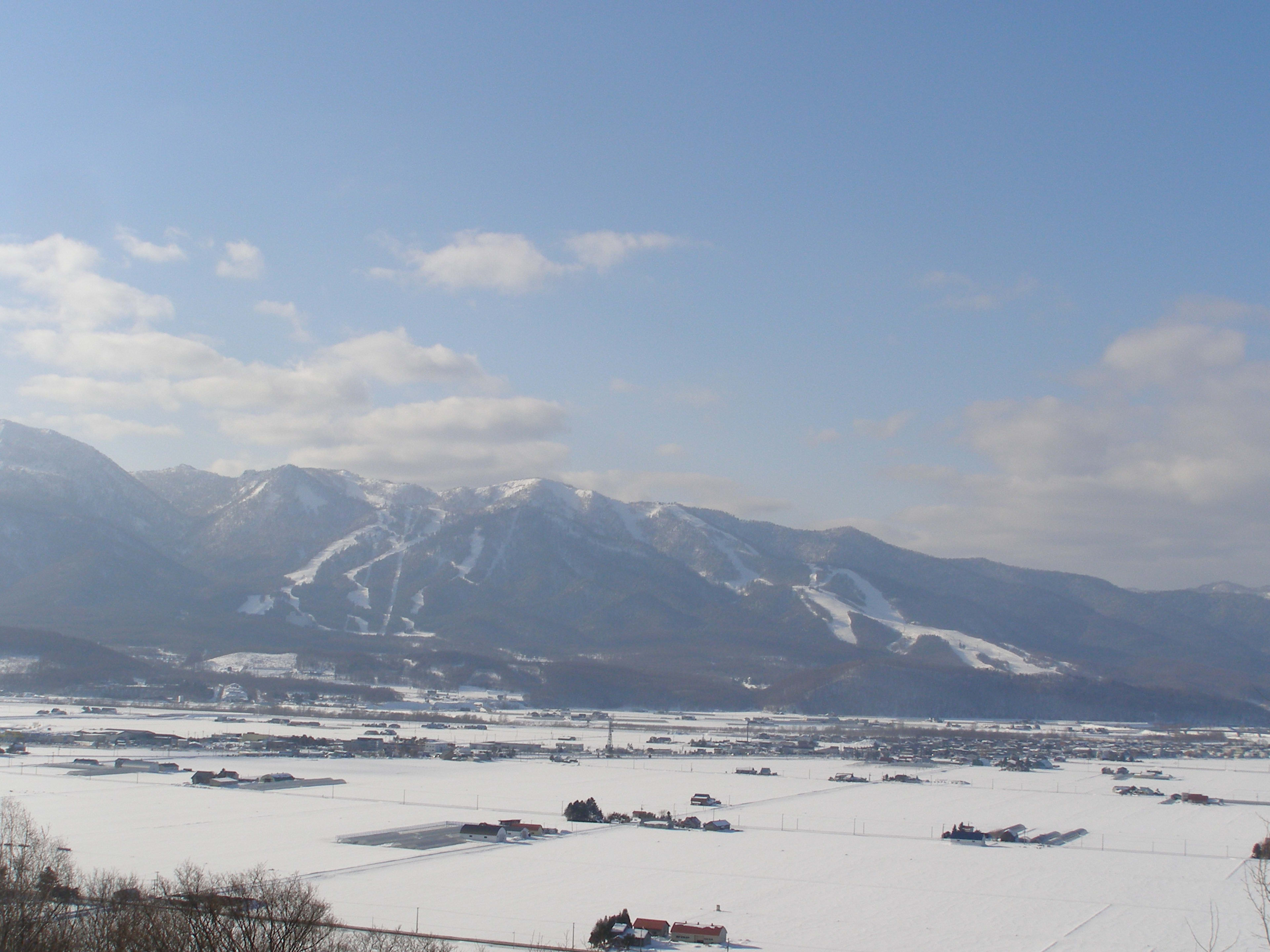
Furano is operated by Seibu Prince Hotels under the Furano Prince Hotel brand, which owns both the ski area and the primary resort hotel on the mountain. This single-operator structure gives the resort an unusual coherence — the Prince Hotels group manages the ski lifts, the main accommodation, and much of the on-mountain infrastructure, maintaining consistent standards across the operation. The resort has a loyal international following, particularly among Australian and European powder-seekers who discovered Hokkaido skiing in the 1990s and 2000s, alongside a strong Japanese domestic base from Sapporo and the broader Hokkaido population. The town of Furano in the valley below, famous for its cheese, wine, and lavender production, adds a character beyond the ski area itself that makes the resort more than just a mountain lift system.
The ski area divides into two connected zones: the Furano Zone, which includes the main gondola and the bulk of the ski area, and the Kitanomine Zone to the north, served by its own chairlift system and carrying terrain that includes some of the resort's steeper and more technical runs. The two zones are linked at the top by a connecting traverse and at the base by a shared gondola valley. The 23 named pistes and 25 km of groomed terrain break down approximately 40% beginner, 40% intermediate, and 20% advanced — a reasonable distribution for a resort of this size, though the top quarter of the mountain carries the most interesting terrain. The real skiing at Furano is in the trees between the marked runs: guided powder skiing in the forested sections of the ski area is available on designated off-piste days and is, on a good snow day, among the best powder skiing in the world.
Furano's snowfall record is exceptional by any global standard. The resort receives an average of approximately 700 cm (7 metres) of snowfall per season, driven by cold, dry Siberian air masses that pick up moisture crossing the Sea of Japan and dump it as snow over Hokkaido. The resulting snow is famously low-density — 'Japow', as it has been marketed internationally — with a water content that creates a skiing surface unlike anything most European skiers have experienced. The Furano Zone operates from late November most years; the Kitanomine Zone typically opens by mid-December and runs through late March. The main Furano Zone extends to early May on the upper mountain in good snow years.
The resort operates 9 ski lifts across both zones — a gondola as the primary access from the Furano Zone base, plus a series of chairlifts serving the main skiing areas. Three snow escalators (tapis roulants) provide beginner-area access and are not counted in the ski lift total. The lift system is adequate for the scale of the ski area and rarely generates significant queues outside Japanese holiday periods. The gondola provides a warm, enclosed ascent that is welcome during Hokkaido's genuinely cold January and February days.
The primary resort accommodation is the New Furano Prince Hotel at the ski area base, offering ski-in/ski-out access and the full range of on-mountain amenities from equipment hire to restaurants. Additional guesthouse and pension accommodation is available in the resort cluster and in Furano town, 5 km down the valley. The town has grown into a genuine destination with good dining, hot spring facilities, and the lavender-field and cheese attractions that draw summer visitors — creating an off-mountain experience unusually rich for a resort of this size. Several English-friendly guesthouses operated by long-term foreign residents of the area cater specifically to international visitors.
Most international visitors arrive via New Chitose Airport (CTS) near Sapporo, the major hub for Hokkaido. Direct seasonal ski bus services run from the domestic terminal to Furano in approximately 2 to 2.5 hours; these are the standard international visitor transfer route. Asahikawa Airport (AKJ), served by domestic flights from Tokyo and Osaka, is the closer option at roughly 1 hour — useful for Japanese domestic travellers and for visitors comfortable with the smaller airport's limited international connectivity. Furano is also accessible from Sapporo by train, though the journey involves two transfers and approximately 2–2.5 hours of travel. Self-drive from CTS is feasible for those experienced with winter driving; Hokkaido roads are well-maintained but require appropriate tyres.
Asahikawa (AKJ), approximately 60 km north, is the nearest airport with a direct 1-hour road transfer by taxi or bus. Seasonal bus services operated by Furano Bus and local taxi companies connect the airport to the resort. New Chitose Airport (CTS) near Sapporo is the major international gateway to Hokkaido and the entry point for most international visitors — direct seasonal ski buses run from the domestic terminal to the resort in approximately 2 to 2.5 hours. The train route from CTS to Furano via Sapporo and Takikawa is possible but requires two transfers and approximately 4 hours.
Furano is priced in the mid-range for Japanese ski resorts and represents good value for international visitors. A 1-day adult lift pass for the combined zones runs approximately ¥5,800–6,500 (around €35–40 / £30–35) for the 2025/26 season; multi-day passes offer incremental discounts. This is significantly cheaper than major European resorts and modestly cheaper than Niseko, which has seen significant price inflation from international demand. Accommodation ranges from the Prince Hotel at international luxury hotel rates to affordable Furano-town guesthouses at budget levels; the range gives the resort genuine accessibility across income levels.
Adult 1-day combined zones pass approximately ¥5,800–6,500 (2025/26 season; ≈€35–40 at September 2026 exchange rates). Verify current rates at snowfurano.com.
This is an approximate editorial reference for the season noted. Always check the official resort website for current prices.
Furano's après-ski character is quiet by European standards — the Japanese resort culture tends toward early evenings, hot spring baths, and good food rather than extended bar scenes. The Prince Hotel's on-mountain restaurants and the Furano Marché market complex provide good-quality dining options; the town of Furano has a small but excellent restaurant scene built around the local agricultural produce. Visitors seeking an active après-ski nightlife will find Furano modest, but those who value good food, natural hot springs (onsen), and a peaceful evening atmosphere find it deeply appealing.
Check the snow forecast obsessively before booking and prioritise travel in January and early February for the best powder odds — the optimal Furano window is when Siberian air masses are consistently delivering fresh snow rather than the shoulder-period conditions of December and March. Book guided powder skiing through the resort or established local guide services well in advance for peak weeks; the good guides fill early with returning clients. Stay at least one night in Furano town rather than spending every evening on the mountain — the local restaurants, sake bars, and cheese-and-wine producers in the valley are part of the destination's character. The Prince Hotel's kura (traditional sake warehouse) on-site is worth a visit.
Snow reliability (9.5) is the highest rating in this dimension in the catalogue alongside the premier Japanese resorts — Furano's 700 cm average annual snowfall and the unique low-density quality of Hokkaido powder make it one of the world's premier powder skiing destinations. Terrain variety (6.5) reflects the relatively compact ski area: 25 km of piste across two zones is modest by European or North American standards. Off-piste (8.5) is driven by the powder conditions and the guided tree-skiing available between runs rather than the scale of the marked terrain.
Support our independent research and help us add more ski resorts.
☕ Buy us a coffee